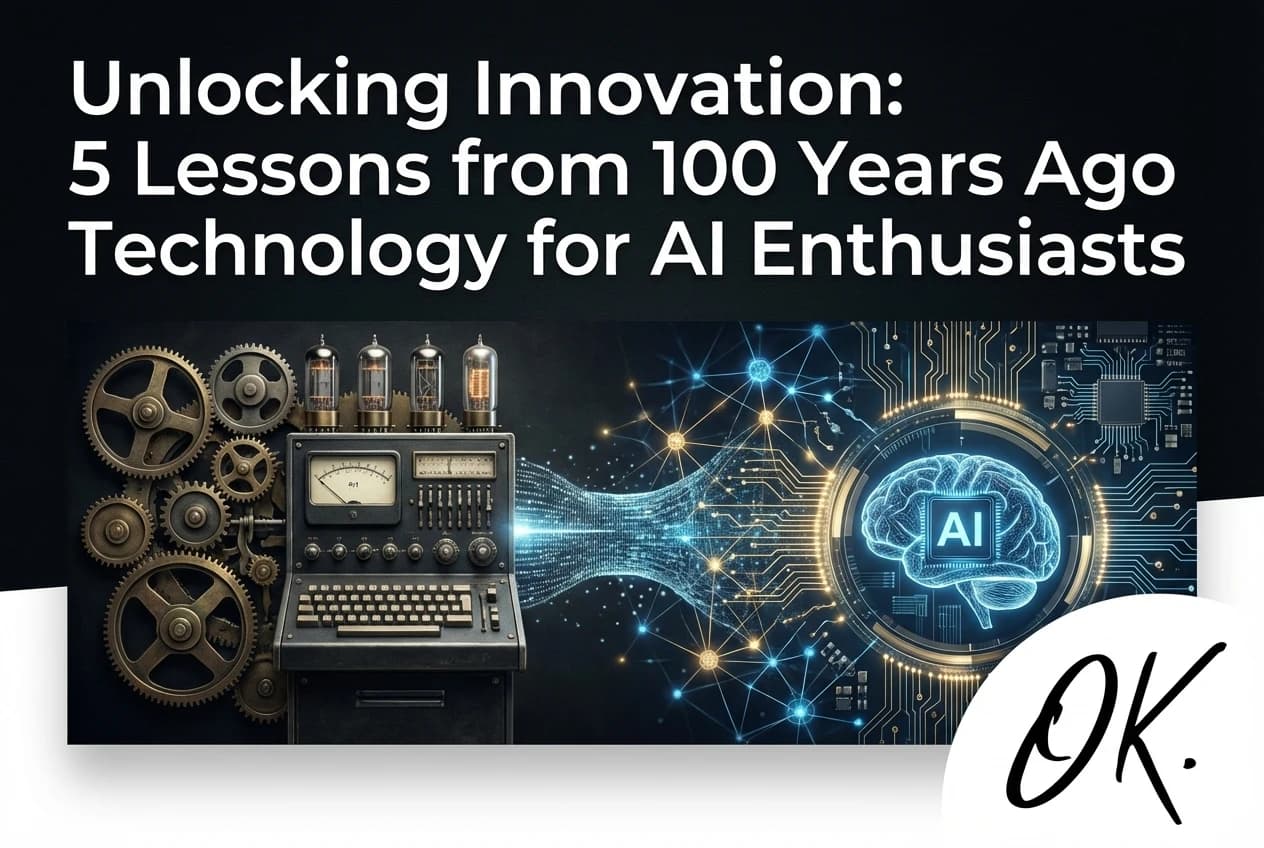
100 Years Ago Technology: Lessons for Today's AI Innovators
As we stand on the precipice of a new technological era driven by artificial intelligence, it's vital to look back at the milestones of the past to understand the foundations upon which we build our future. The innovations from a century ago not only paved the way for modern technology but also provide invaluable insights for today's entrepreneurs and investors in the AI landscape.
In this post, you will discover:
- The pivotal technologies from the 1920s that set the stage for today's AI advancements.
- How historical investment trends mirror the surge in AI funding we see today.
- Key lessons from early computing that can inform current and future AI strategies.
The Technological Landscape 100 Years Ago: Key Innovations and Breakthroughs
The 1920s was a decade of remarkable technological innovation that laid the groundwork for what we now recognize as the digital age. From early computing concepts to advancements in telecommunications, these breakthroughs were crucial in shaping the technological landscape we inhabit today. For instance, the introduction of the first electronic computer in 1928 signified the beginning of a revolution in computational power. This early machine not only inspired future generations of computers but also provided the foundational architecture that we still build upon.
Early Concepts of Computing
One of the most significant innovations of the era was Alan Turing's conceptualization of the Turing Machine in 1936. This theoretical framework established the principles of algorithmic processes, which remain central to computer science and AI. Turing’s work highlighted the potential of machines to perform complex calculations and solve problems, a concept that is at the heart of AI today.
Investment Trends: A Historical Perspective
To understand the current investment landscape in AI, it's essential to examine historical trends in technology funding. The table below illustrates the shifts in investment from the early 20th century to the present, providing a clear picture of how financial support for technology has evolved.
| Year | Investment in Technology (USD) | Investment in AI Startups (USD) | Growth Rate (%) |
|---|---|---|---|
| 1920 | $1 million | N/A | N/A |
| 1930 | $2 million | N/A | N/A |
| 1940 | $5 million | N/A | N/A |
| 2010 | $50 billion | $1 billion | 200% |
| 2020 | $100 billion | $30 billion | 2900% |
The surge in investment toward AI startups over the last decade mirrors the early 20th-century investments in foundational technologies. The dramatic increase in funding reflects a growing recognition of AI's transformative potential, reminiscent of the excitement surrounding early technological innovations.
Key Innovations from the 1920s and Their Impact on Modern AI
Let's take a deeper look at specific innovations from the 1920s and their direct impact on today's AI technologies:
| Innovation | Year Introduced | Key Impact on AI and Technology Today |
|---|---|---|
| The First Electronic Computer | 1928 | Laid the groundwork for modern computing architectures |
| The Concept of Cybernetics | 1948 | Influenced AI development in feedback systems and control |
| The Turing Machine Model | 1936 | Provided a theoretical framework for algorithmic processes |
| Development of Transistors | 1947 | Revolutionized computing power and miniaturization |
| The First AI Program (Logic Theorist) | 1956 | Pioneered symbolic AI and problem-solving techniques |
Understanding these innovations is crucial for tech professionals and entrepreneurs seeking to harness the capabilities of AI. Each breakthrough, from the first electronic computer to the development of transistors, has played a pivotal role in shaping modern AI applications.
Key Takeaways
- The technological advancements of the 1920s were foundational in shaping the digital landscape and current AI technologies.
- Investment trends indicate a significant shift towards AI, paralleling the excitement and financial support seen in early technological developments.
- Lessons from historical innovations can guide today’s entrepreneurs in navigating the evolving AI landscape.
- Understanding the roots of AI can help professionals better strategize for the future of technology.
Conclusion
As tech enthusiasts, entrepreneurs, and investors, reflecting on the technological milestones of the past can empower you to make informed decisions today. Embrace the lessons learned from a century of innovation, and apply them to your current and future AI strategies. Consider investing in foundational technologies while keeping an eye on the evolving AI landscape; this will position you for success in the fast-paced tech world.
Ready to Get Started?
If you're passionate about building and scaling AI-driven applications, connecting with fellow founders, VCs, and tech enthusiasts is essential. Let's shape the future of technology together!